By Captain Brandon Pinkney
There are countless examples of the quality of work put forth by the military engineer family across Canada, but it is in operational theatres overseas such as Operation REASSURANCE where the strength of the Royal Canadian Engineers is truly tested and proven.
Supporting Canada’s largest sustained presence in Europe in more than a decade, engineers are very active within the Task Force Headquarters, the enhanced Forward Presence Battle Group, and the National Support Element. To ensure that Canada can continue to lead as the Framework Nation for the multinational NATO effort in Latvia, Task Force Latvia needed its own building, and the Multinational Headquarters (MNHQ) project was born.
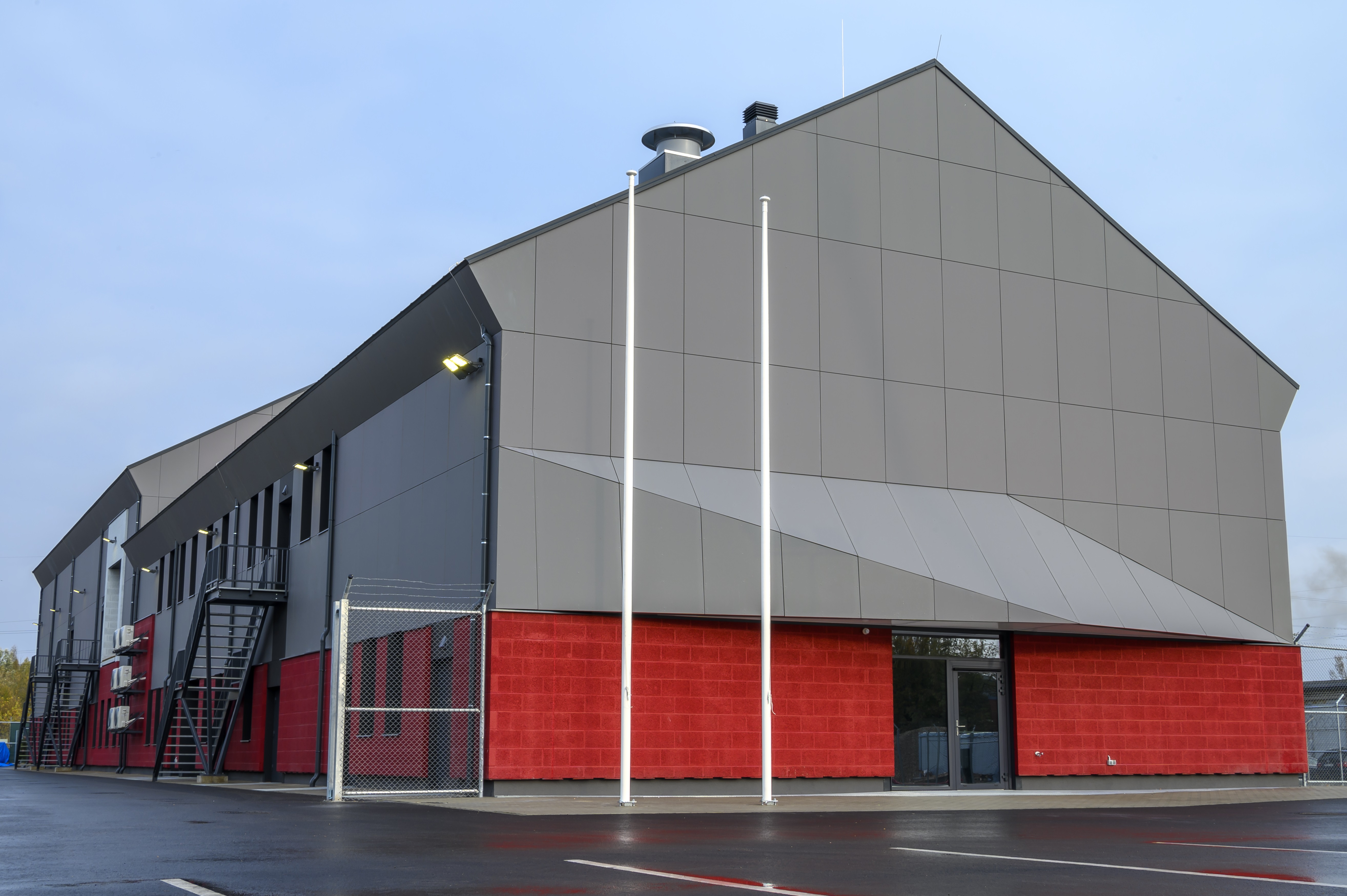
The construction of the MNHQ represents the largest infrastructure project conducted outside of Canada in decades, with a total project cost of approximately $18.5M. Co-located with the Latvian National Armed Forces Joint Headquarters in Riga, Latvia, excavation began in October 2019 by Latvian contractors, and construction continued at a rapid pace until completion in October 2020. While final items were being completed by the contractor, a team of military personnel arrived to complete the final fit-up of the structure in August 2020, with anticipated project completion in April 2021.
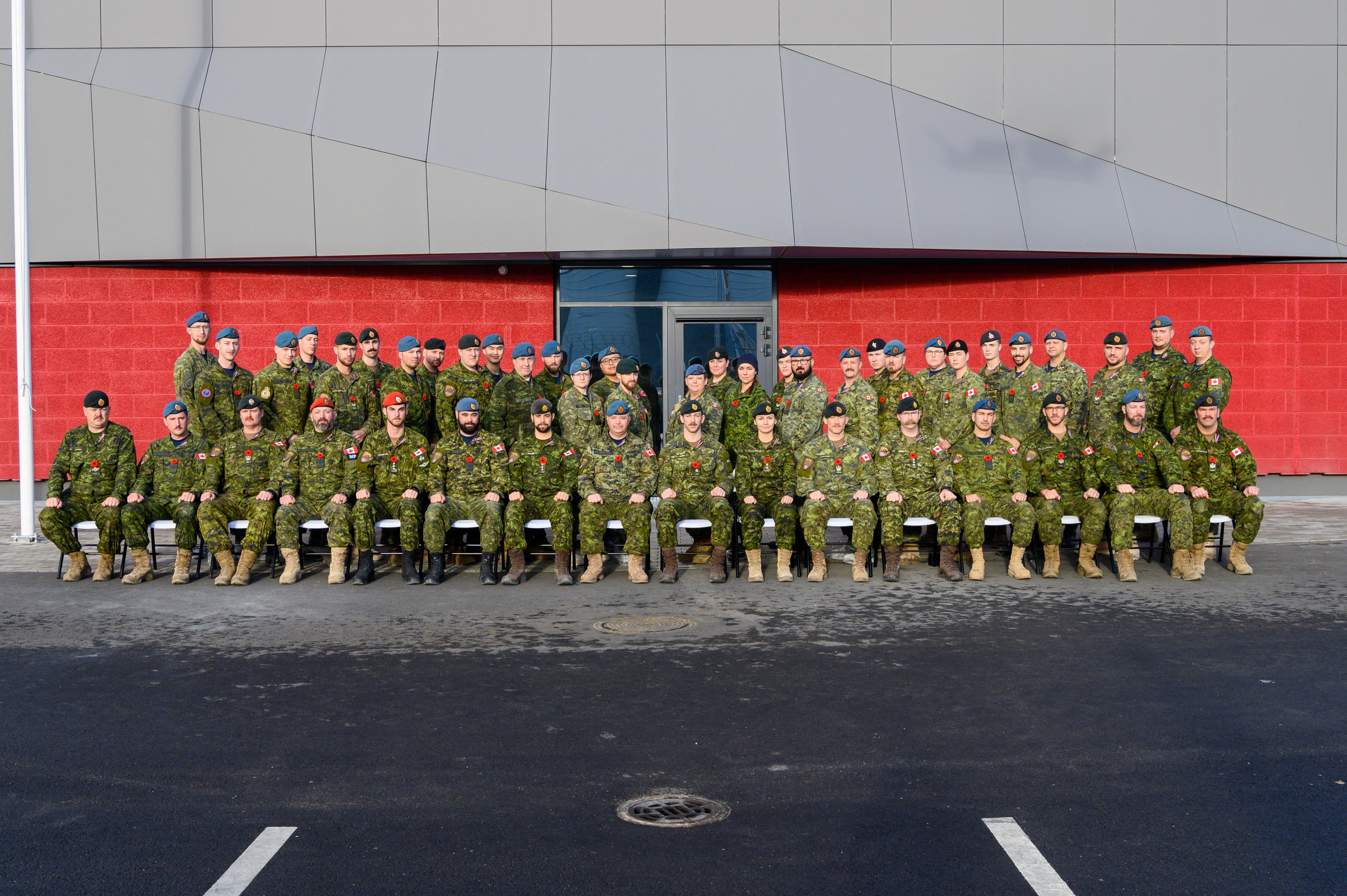
Final fit-up is an extensive task, and highlights the quality of leadership and coordination within the engineer community. This is by no means a task that could be completed solely by the Royal Canadian Engineers, but one that needed support from a range of other specialists. In addition to the engineer cap badge, visible on the job site are individuals sporting the crests of the Logistics, Military Police, Royal Canadian Electrical Mechanical Engineers, and Signals branches, as well as various infantry regiments. Nineteen different trades are represented in the MNHQ fit-up project team, coming together from 27 units – both Regular Force and Reserve – across eight provinces.
The working environment also poses unique challenges not typically seen at home. Careful focus has been applied to ensure metric and imperial measurements and designations are not intermingled, and specific materials identified, ordered, shipped and delivered from Canada to the job site in Riga as required. As well, equipment must be properly connected to European power systems, and specialty parts and materials ordered through vendors that don’t typically speak English or French. Through all the difficulties, the MNHQ team continues to provide outstanding quality of work.
Once complete, the MNHQ project will deliver a purpose-built structure to house Canada’s headquarter capabilities in Latvia and more efficiently support Canadian Armed Forces and NATO efforts abroad.