William George Acheson was born in Westmeath, Renfrew County, Ontario in 1888, the son of Ira and Mary Acheson He had one younger sister and two younger brothers. He was living and working as a switchboard inspector in Montreal He had a wife, Isabella Nora McLeod and a newborn daughter, Isobel Mary when he enlisted on 16 December 1915.
William was taken on strength of the Engineer Training Depot on 19 January 1916 and arrived in England on 25 March and taken on strength of the Canadian Engineer Training Depot where he started training as a signaller in the 4th Division Signals Company in Bramshott. He was appointed Lance Corporal when the company left for the Continent on 11 August He was promoted to corporal in February 1917 and sergeant in December of that year.
The city of Valenciennes had been captured by the Germans in August 1914 and remained in their hands for the entire war. By late October 1918, as the Hundreds Days offensive was nearing its end, the Allies had broken the Hindenberg Line and the fighting had changed from near-static trench warfare to one of manoeuvre.
Supporting the 1st British Army’s advance, the Canadian Corps was assigned the task of guarding their left flank. The general plan was to swing north to surround the city, defeat the garrison and then re-join the advance. Unfortunately, the German garrison remained in place and the areas to the north and west were flooded. General Currie, remembering Hill 70, saw that Mony Houy, south of the city on the British line of advance, provided dominating ground from which to Germans could stop or delay further movement.
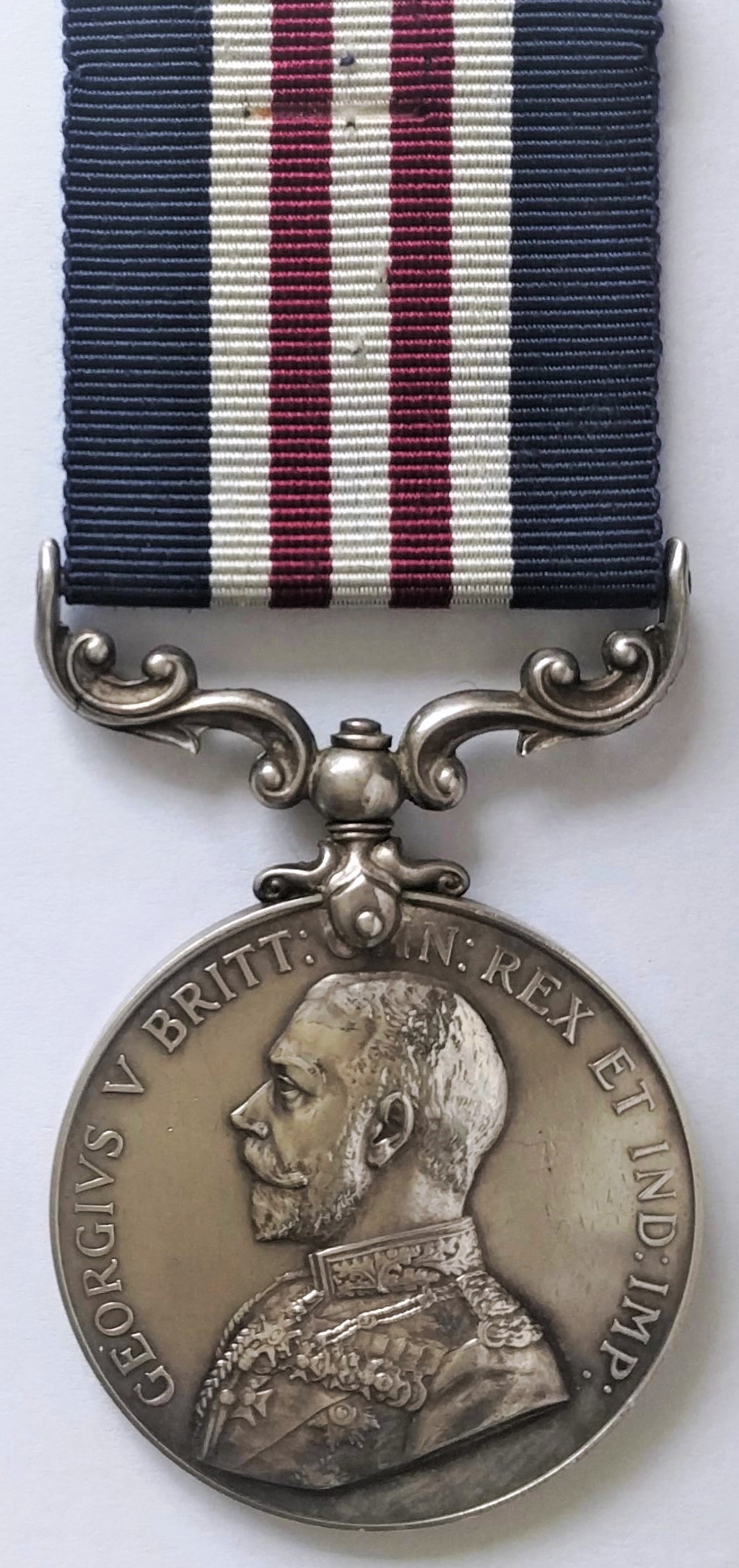
The British attacked on 28 October and only gained the lower slopes. They pulled back and turned away from the area to maintain the thrust ahead. Currie was given the additional task of taking the heights as well as the original objective of taking the city. The Canadians moved into position and opened their barrage on 1 November and the 3rd and 4th Divisions began to move up the slopes. Despite using gas to push the Canadians back, the defenders were defeated before noon that day. The advance into the city followed up and the city was in Canadian hands late on the afternoon of 2 November. Sgt Acheson was serving in the 4th Divisional Signals Company during the battle. He was awarded the Military Medal for his bravery throughout the battle on 3 November 1918.
Sgt Acheson was discharged in Montreal on 27 July 1919. He returned home and welcomed another daughter into his family. After the war, they had another daughter, Sometime later, he left the communications industry and became a chef He died in 1951 and is buried in Danville, Quebec.
There is no citation for this award. It is noted in the London Gazette # 31227. The date of the action is 3 November 1918 and the award was made on 13 March 1919.