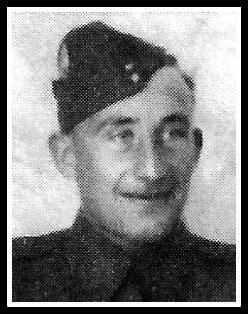
Sapper Norman Walter Trithart was born in Kipling. Saskatchewan to Anton and Marie Trithart. His was a mixed family of 12 children after his mother died and his father re-married. One brother, Herbert, was serving overseas when he joined the army and returned safely after the war.
Norman declared his occupation as a farmer when he enlisted in the Royal Canadian Engineers in Regina on 15 December 1941 and stated a preference for learning carpentry. He started his training at the Canadian Infantry Training Centre in Calgary and in March went on to A6 Canadian Engineer Training Centre in Dundurn, Saskatchewan. He was moved to Camp Chilliwack, British Columbia when the training centre was relocated in May. He was there for no more than a week before being shipped to Halifax on his way overseas, arriving in England on 12 June 1942. By the end of that month, he was a member of the 8th Field Squadron. He qualified as a driver (Wheeled) in October.
Norman landed in France with his unit in late July 1944. They fought through the major engagements of the last month of the Battle of Normandy and were among the first Canadian engineers to cross the Seine. They then cleared routes to the Somme and at Pont Remy, on 3 September, built the Ward Bridge, a 90-foot Double-Single Bailey bridge, named for one of their officers. Soon after, they were in Belgium leading the 4th Division's advance to the Rhine. Among their first tasks was bridging the Leopold and Ghent Canals with a 300-foot Bailey bridge under fire most of the time. They continued forward, bridging, repairing routes and lifting mines.
The Squadron then became deeply involved in the Battle of the Scheldt as the 4th Armour Division pressed forward in terrain which was not at all suited for tanks and forcing them to stay on the roads. They build a floating bridge over the Derivation Canal on 5 October and on 12 October were engaged in the Breskens Pocket supporting the Canadian Scottish Regiment by building a Bailey bridge as the infantry fought hard along a disputed roadway. By 20 October, the 4th Division had been moved east and north across the Antwerp-Turnhout Canal in preparation for Operation VERACITY.
On 21 October, during the operation to clear the approaches to the Beveland Isthmus, the leading field troop faced eight roadblocks in their way, each about 200 feet in length with at least 20 felled trees in each. Every third tree was booby-trapped with artillery shells and Teller mines wired from branch to branch. The sappers were constantly under fire from machine guns, small arms and a 20-millimetre cannon as they worked. They lifted Schu mines, R mines, and a 50-kilogram bomb. When a booby-trapped railway gate on the route was pulled open, the explosion killed Lance Corporal MacDonald, Sapper McCaw and Sapper Trihart, and wounded two others.
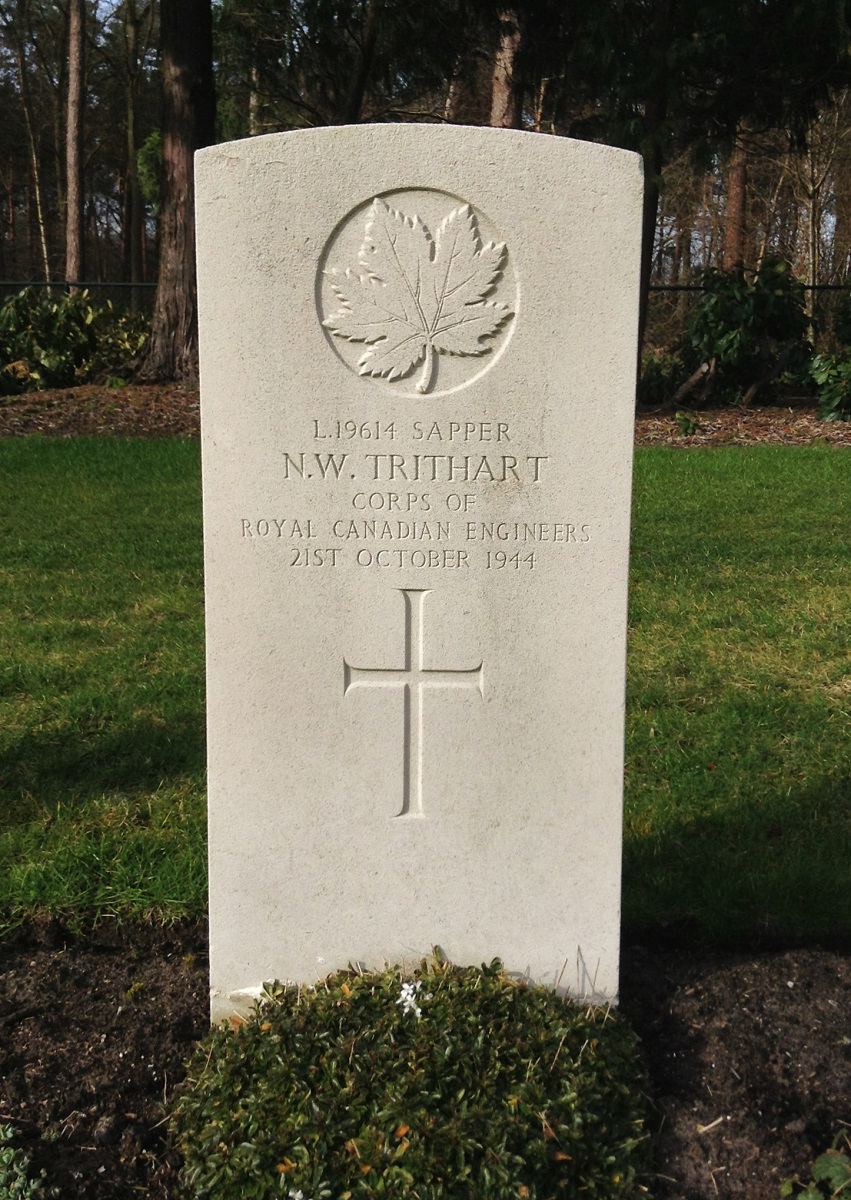
Sapper Norman Walter Trithart was initially buried in Capellenbosch, Belgium with his comrades and was later moved to Bergen-Op-Zoom Canadian War Cemetery in Holland.
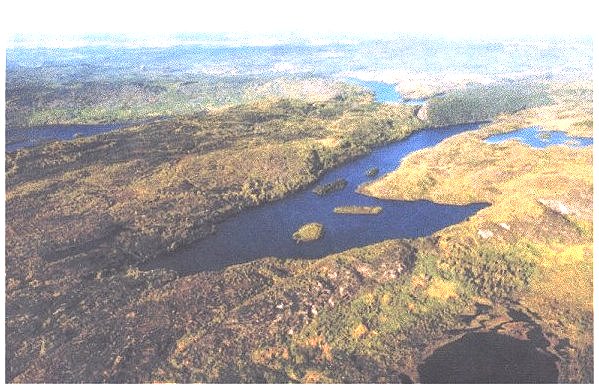
Note: Trithart Lake in northern Saskatchewan is one of 4000 lakes and bays across northern Saskatchewan bearing the names of individuals who lost their lives in military conflict.
Return to Part 5: Tributes to the Fallen Sappers of the Scheldt