

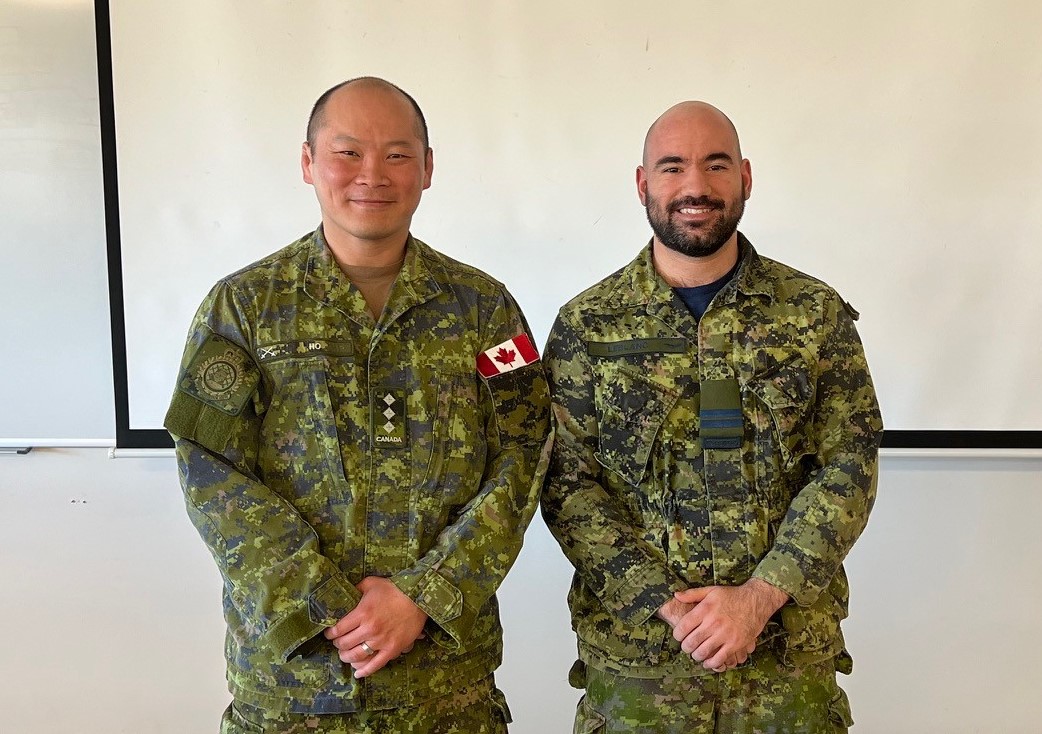
Article by: Capt Kyle Ho, RPOU(W) Operations Officer
Canadian Forces School of Military Engineering (CFSME) is located at Canadian Force Base (CFB) Gagetown, which is the starting point for all military engineers. CFSME provides engineer-specific training for combat engineers, all construction engineering trades, engineer officers, as well as a tailored suite of training designed for property management Real Property Management Basic (RPMB)is one such introductory course which teaches students how to manage the Department of National Defence (DND) infrastructure portfolio which has assets worth billions of dollars.
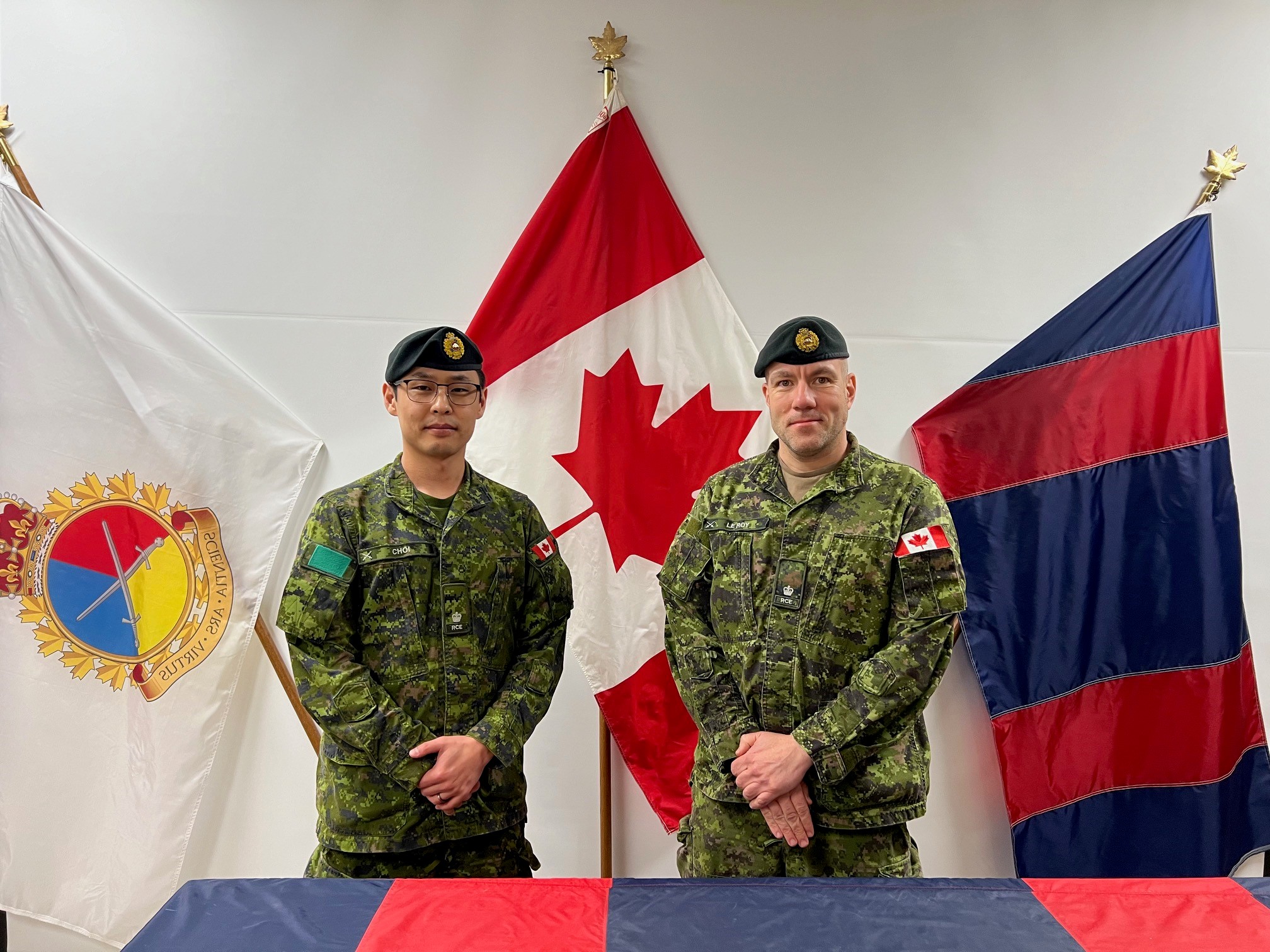
To meet these multifaceted demands, RPM(B) consists of 12 training days designed to equip military personnel with the knowledge and skills needed to excel in asset management. A recent graduate of RPM(B), such as Maj Esli Choi, is posted as OC in the Real Property Operation Detachment (RPOD) Chilliwack. As per Maj Choi’s assessment of RPM(B), "RPM(B) is helping me to understand the basic concepts of RPM. I am excited about my new role and looking forward to the challenges of being a member of the RPOU."
At the heart of the Real Property Management Course lies a comprehensive curriculum that delves deep into various aspects of property management within the military context. From developing and implementing a construction engineer plan to managing budget and human resources, students undergo training to become proficient in RPM. Not all students who complete RPM(B) are currently working at RPOU, however, it opens other opportunities for students like Lt Philippe Vollant, who wishes to be posted to RPOU Gagetown next APS. "The learning curve is very steep with seven exams on such a short course, and the learning outcome is beyond my expectation."
The success of the Real Property Management Course is largely attributed to the expertise of its instructors. With their extensive experience in construction engineering and property management, these instructors bring a wealth of knowledge to the classroom. Their insights, gained from years of service and practical application, enrich the learning experience, and provide students with valuable perspectives on the complexities of natural property management in a military context. Capt Jay Foster, a guest instructor working at RPOU(A) Section Halifax, was invited to instruct the majority of the course. "This is my third time teaching RPM(B) over the years – each time it is an honor to be here and shape the future of RP Ops by sharing my experience. I believe the stories I shared from previous positions, including OC RP Ops Section Halifax, were valuable in reinforcing many concepts, and I would encourage people like ROs and OCs to volunteer to instruct on RPM(B) at CFSME and continue perfecting the current RPM model" said Capt Foster. Member will be posted to 19 MSS as Wing Fire Chief this APS.
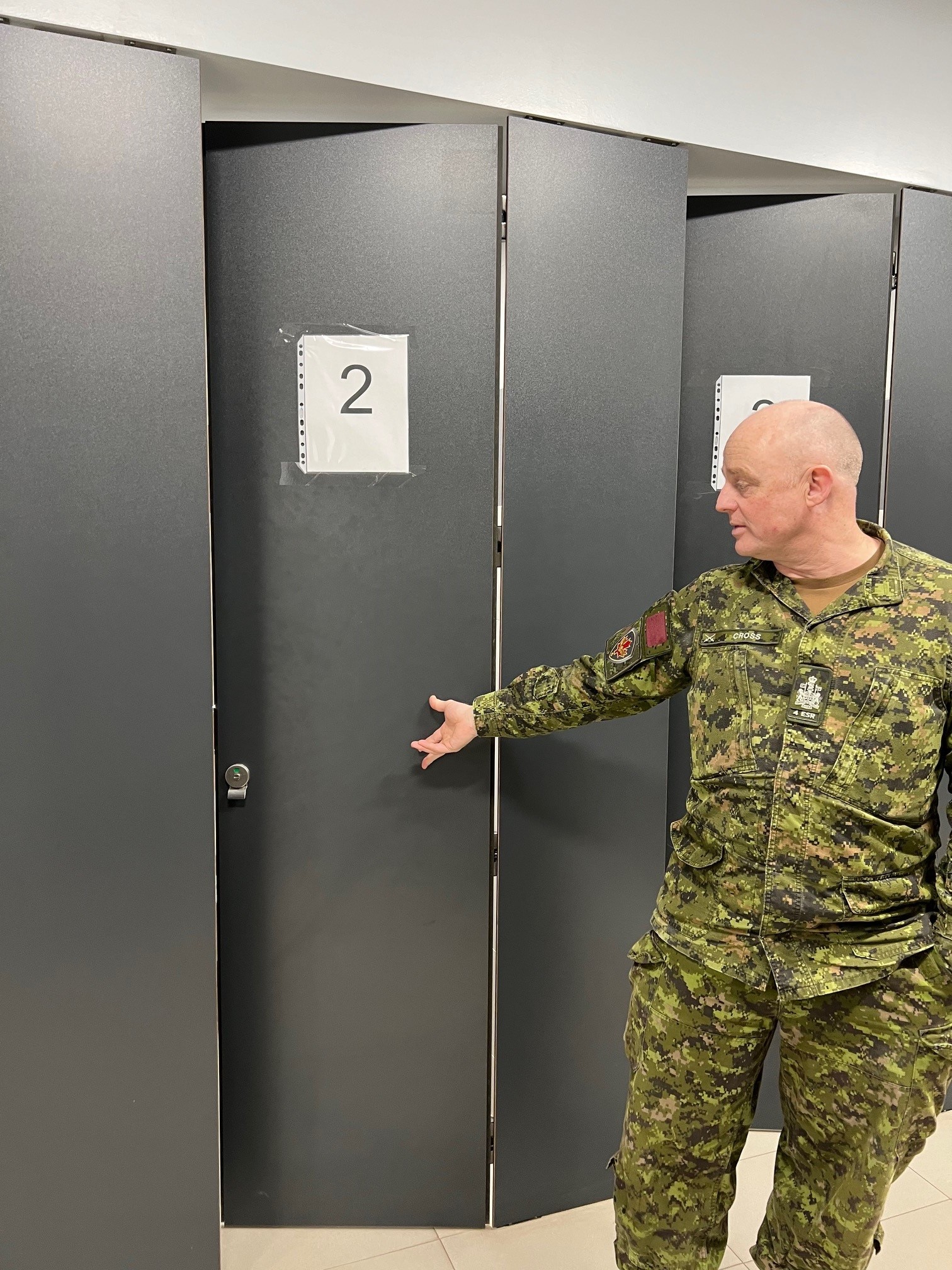
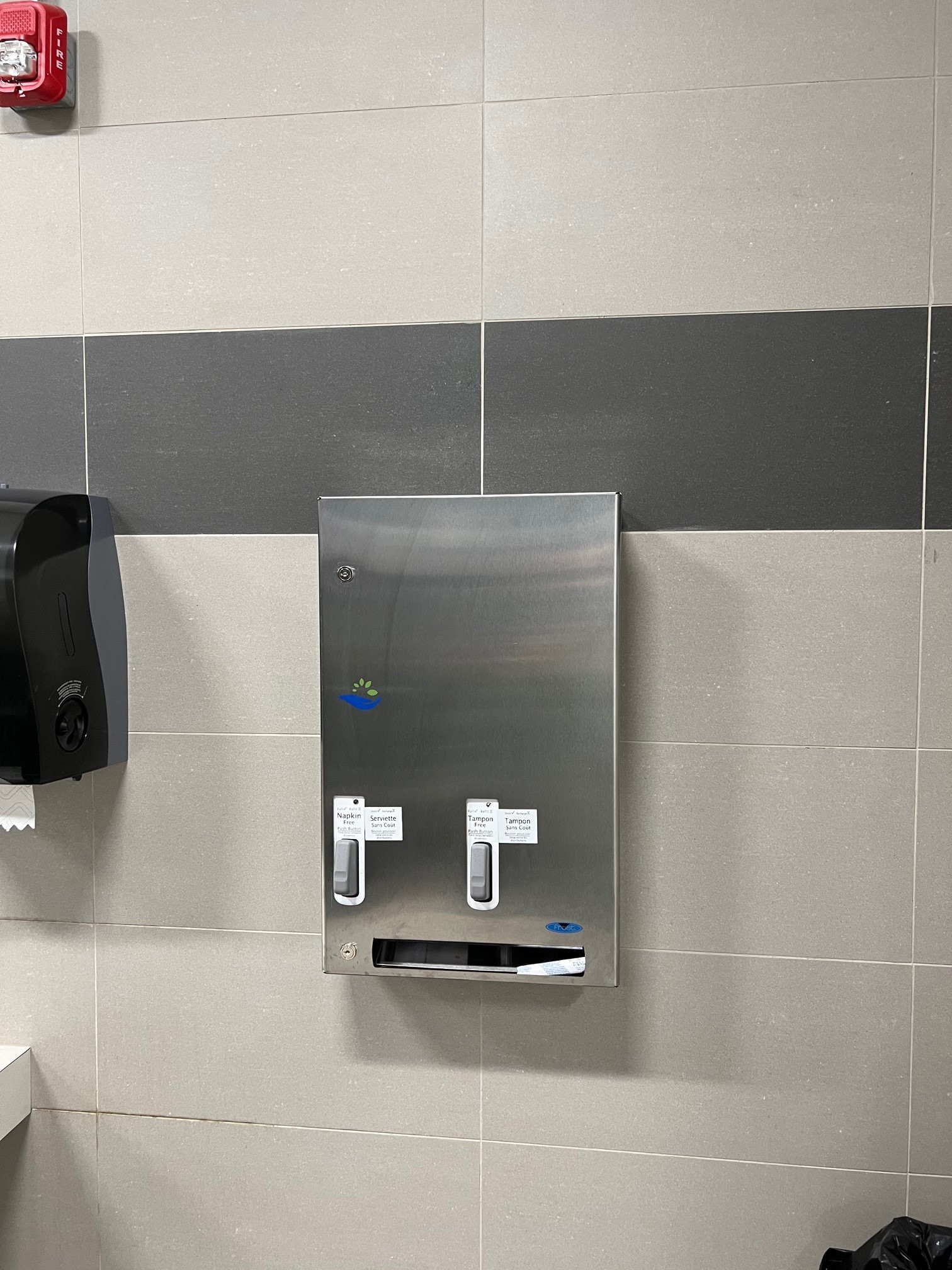
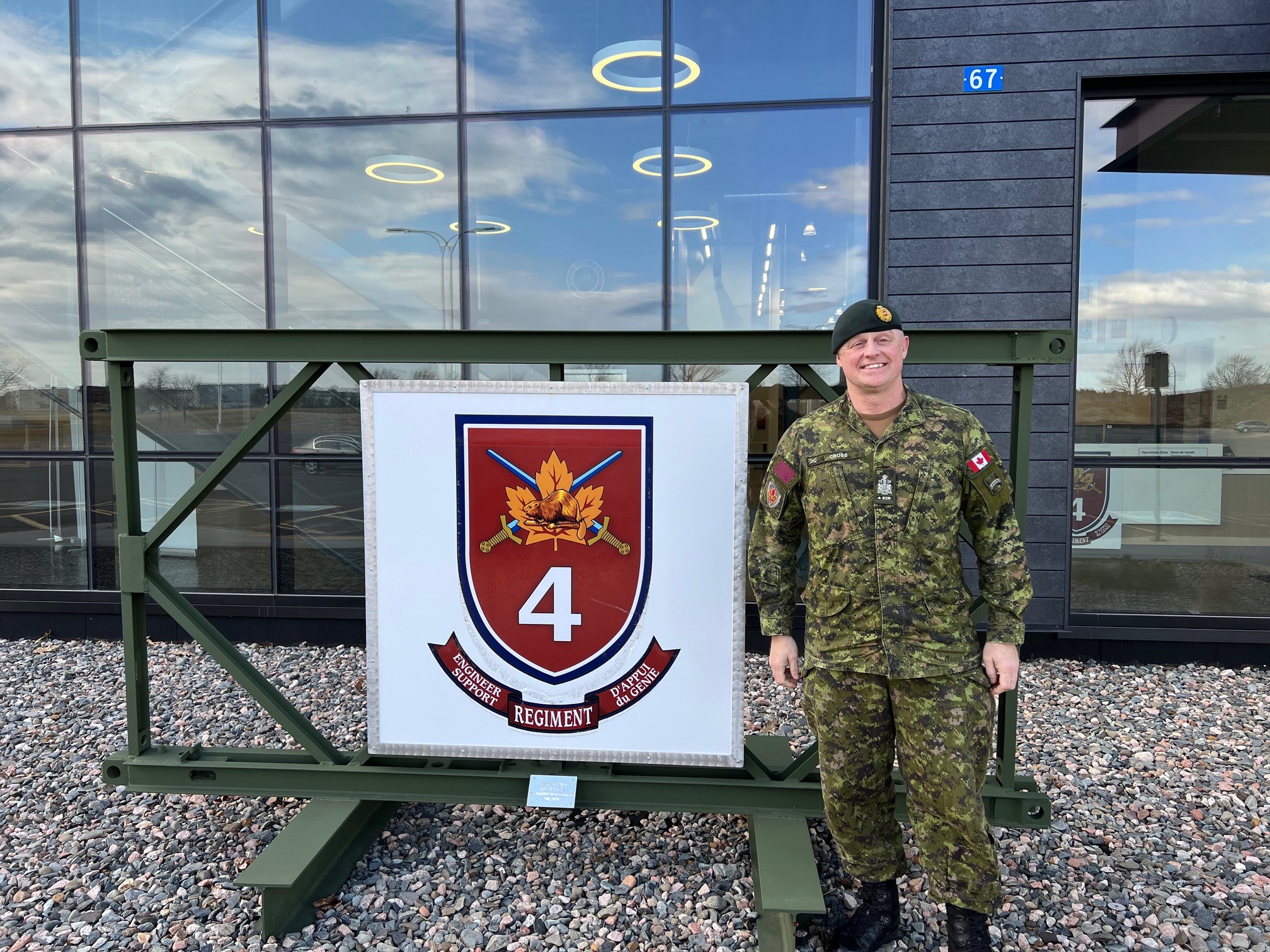
4 Engineer Support Regiment (4 ESR) RSM, CWO Frank Cross invited a few students from the RPM(B) to visit their brand-new building. Since the close-out of Germany, 4 ESR has been housed in 14+ buildings for the past three decades. The new 4 ESR building cost over 131 million dollars to construct. It comes with many design features that support environmental sustainability and gender-neutral considerations. Such major capital construction allows RPOD Gagetown to reduce the DND infrastructure footprint and repurpose some of the existing buildings to accommodate lodging units at CFB Gagetown. CWO Frank Cross expressed his appreciation for the regiment receiving their permanent home, "All ranks in 4 ESR expressed great appreciation for all the work behind the scenes from RPOU so that we can meet our operational demands and foster a new inclusive culture and unit esprit de Corp by consolidating under one roof."
The significance of effective RPM within the military context cannot be overstated. Military installations and infrastructure are the backbone of operational readiness, providing essential support for training, logistics, and mission execution. By optimizing the management of these assets, military organizations can enhance their operational capabilities, improve cost-effectiveness, and ensure the safety and well-being of personnel. Capt Chad LeBlanc, course officer for the recent graduates of RPM(B), summed up the significance of RP management during the recent graduation parade,” Regarding RPM, the answer is never black and white. It includes all activities related to planning, acquisition, use, operations & maintenance, and disposal of DND assets. I hope everyone applies the principles from RPM(B) when managing our most expensive asset”.
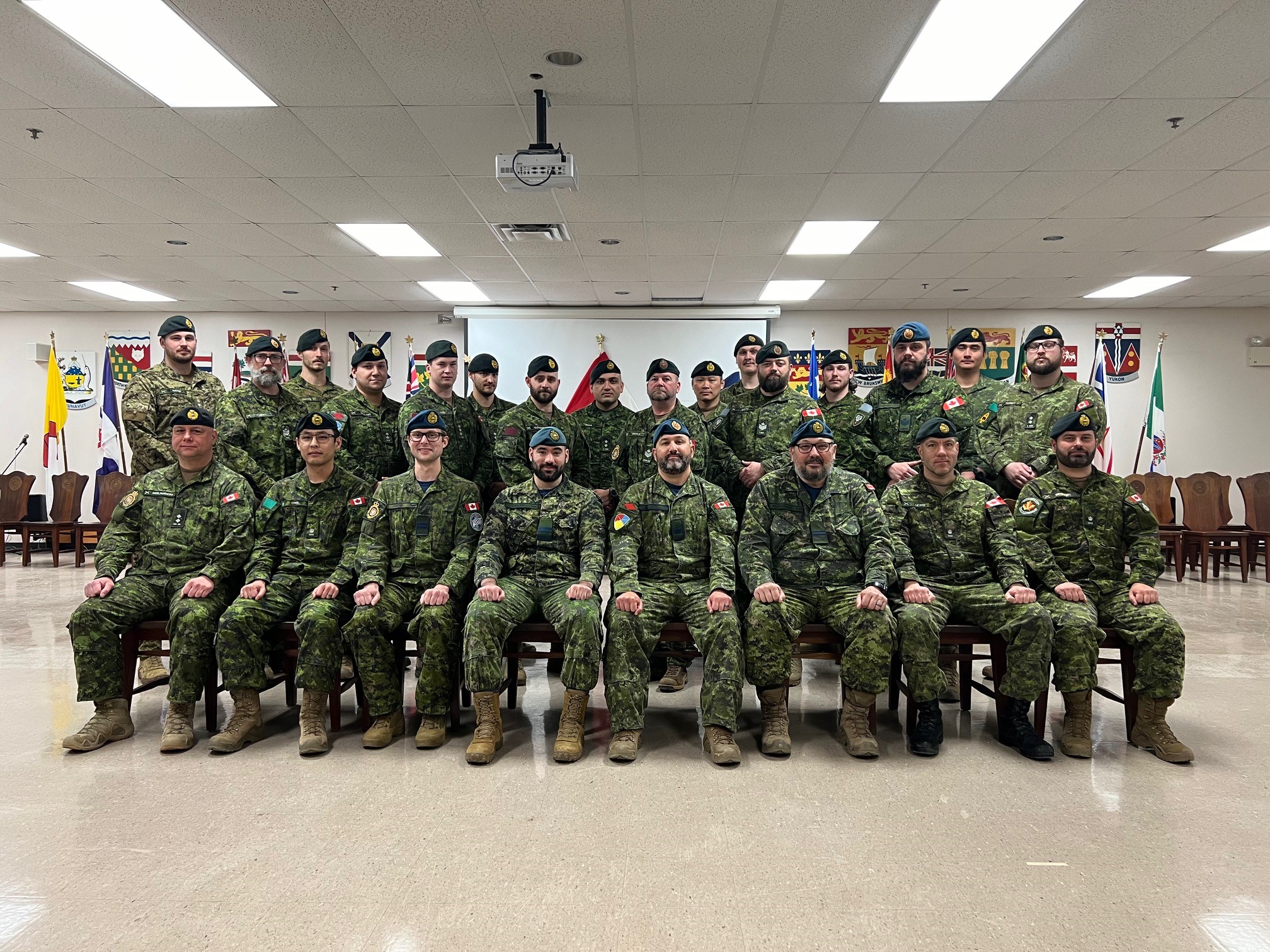
Through a blend of comprehensive curriculum and expert instruction, 21 students emerge ready to meet the challenges of managing military infrastructure with confidence and competence. As military operations continue to evolve, the importance of effective RPM remains as critical as ever, making courses like this invaluable in ensuring the readiness and resilience of our military forces.
CHIMO!